Steam Boiler

A steam boiler is one of the fundamental industrial systems used in process heating, sterilisation, drying and energy applications. A correctly selected steam boiler directly affects not only steam production but also fuel consumption, production continuity, maintenance costs and operational efficiency.

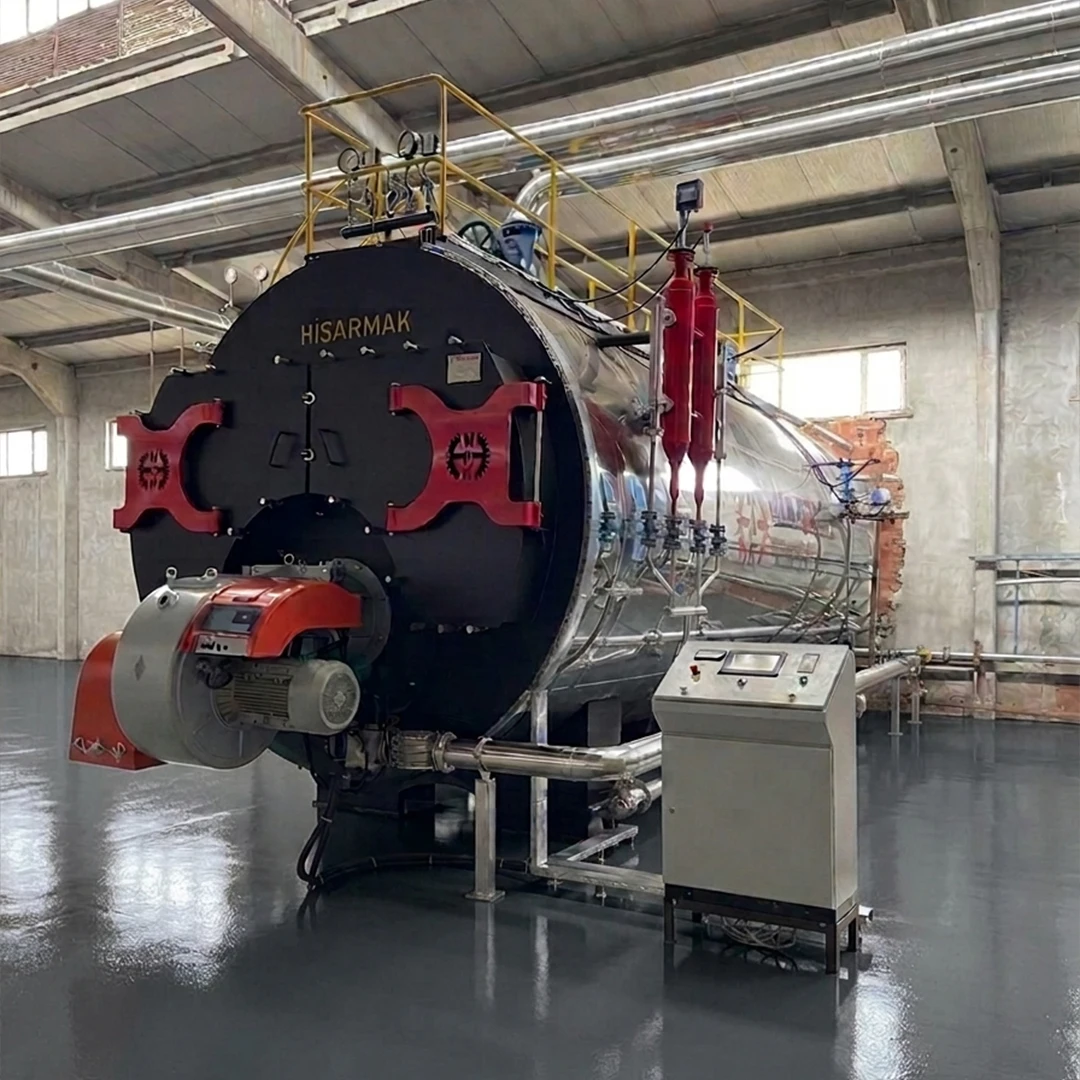
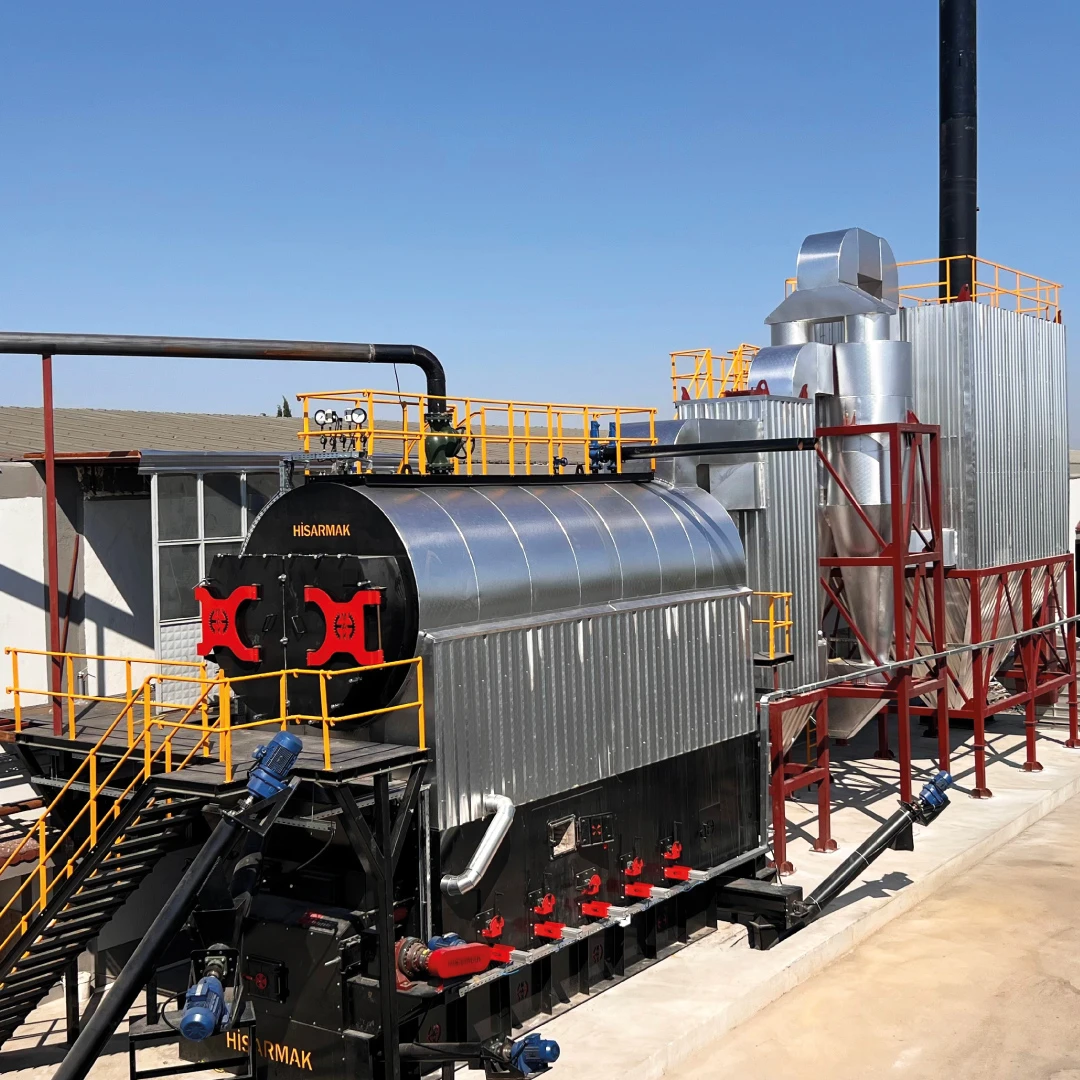
At HİSARMAK, we manufacture steam boilers of various types and sizes, ranging from 1 to 100 tonnes of steam per hour, tailored to fuel type, capacity requirements and application. Scotch-type, D-type, stoker-fired, rotary grate, fluidized bed, moving grate and biomass-fired solutions are designed for safe, efficient and long-lasting use in sectors such as textiles, food, chemicals, energy and similar industries.
4.9
(4285)
Skoç tipi kazan

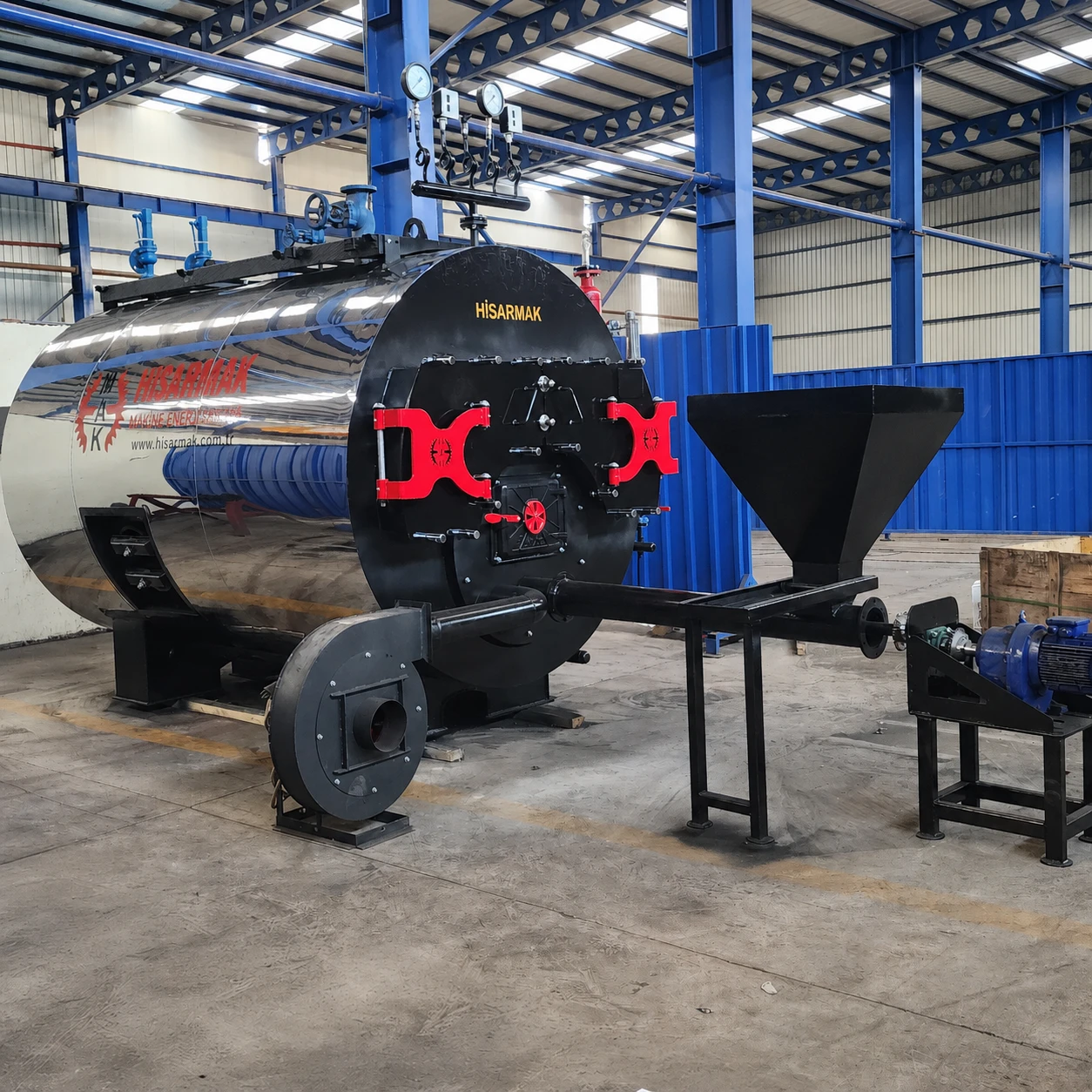
Scotch Type Steam Boiler

You can visit our page for Scotch Type Steam Boiler models, features and prices, you can get detailed information by contacting us.
Döner ızgaralı buhar kazanı

Rotary Grate Steam Boiler

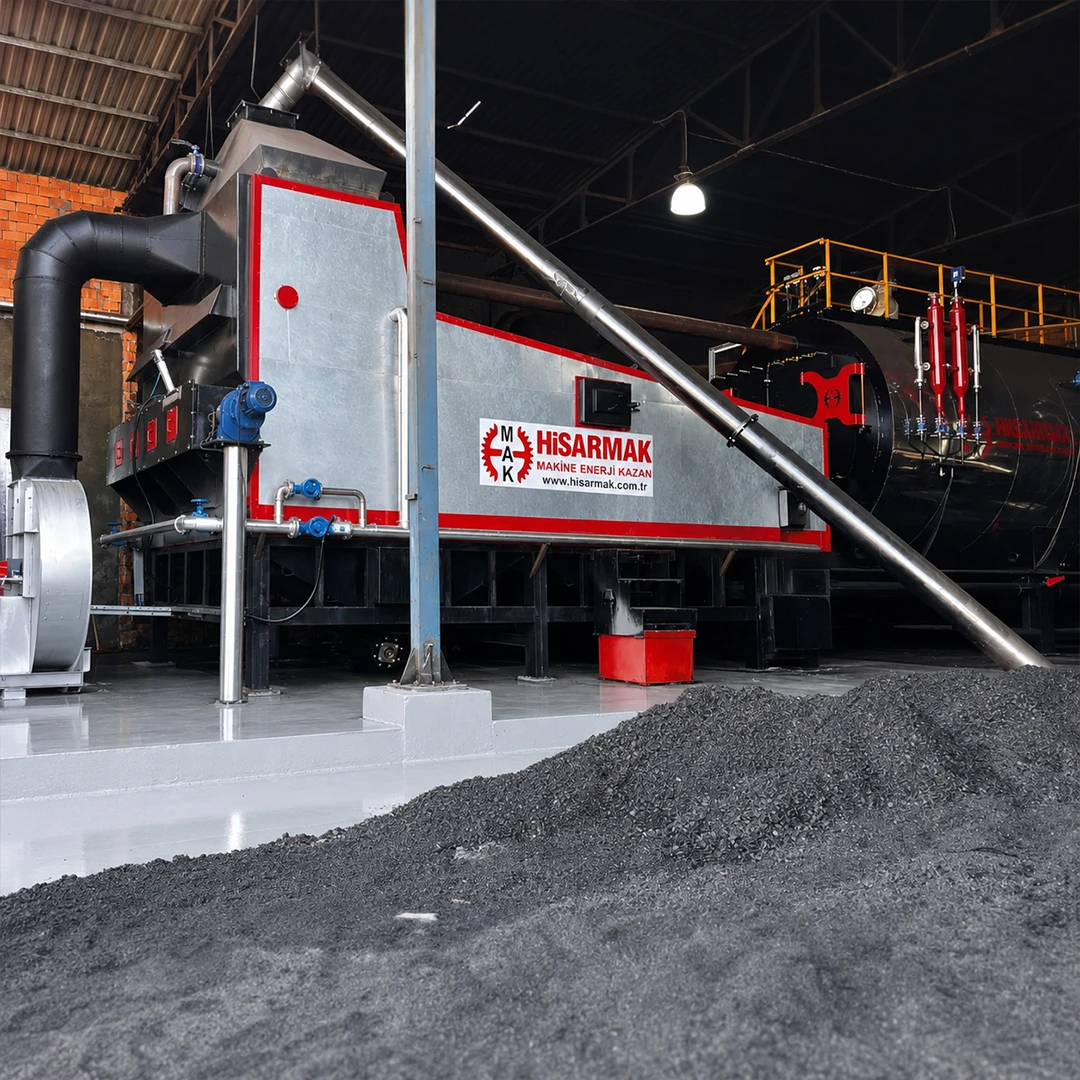
Rotary Grate Steam Boiler In this combustion system, from the moment the coal is poured from the service bunker to the grate, it moves towards the furnace with the rotation speed of the grate.
Akışkan yataklı buhar kazanı

Fluidized Bed Steam Boiler

Fluidized Bed Boiler These are fully automatic controlled, high efficiency, environmentally friendly and water tube boilers designed for solid fuel combustion.
Stokerli buhar kazanı

Stoker Type Steam Boiler

Boilers with Stokers The hot gases formed as a result of combustion pass through the combustion chamber, which we call the first pass, and are transported to the rotating front part towards the second smoke pipes.
D tipi buhar kazanı

D Type Steam Boiler

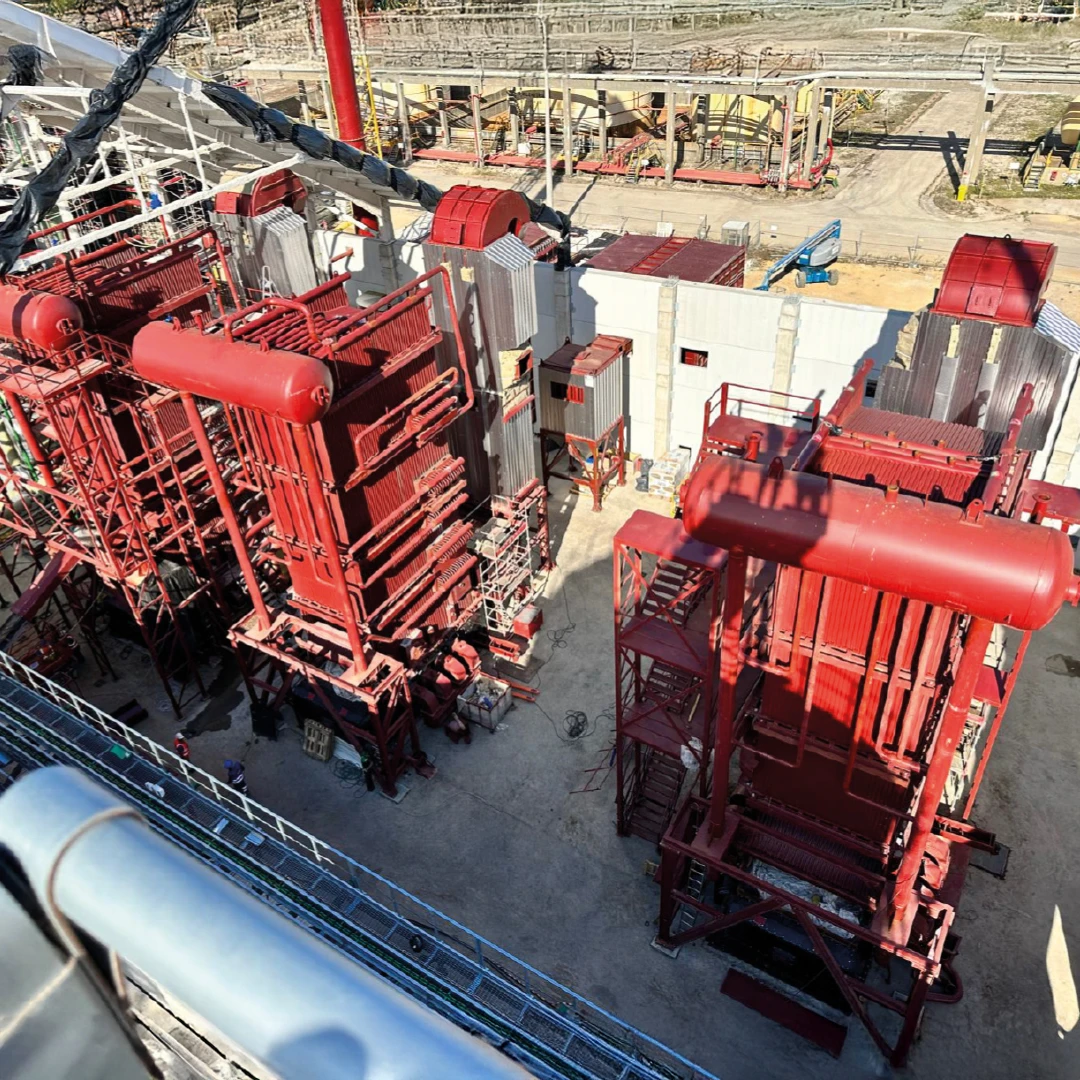
D Type Steam Boiler It is preferred where high pressure and high capacity are required. Water tube steam boiler design and production are made in accordance with EN 12952 standards.
İleri itimli buhar kazanı

Moving Grate Steam Boiler

Pre-Hob Advanced Steam Boiler Thanks to the movable grate combustion system, which is also applied in solid fuel systems, proportional operation and high efficiency are provided according to the heat requirement in the system.
Biyokütle kazan

Biomass Fueled Steam Boiler

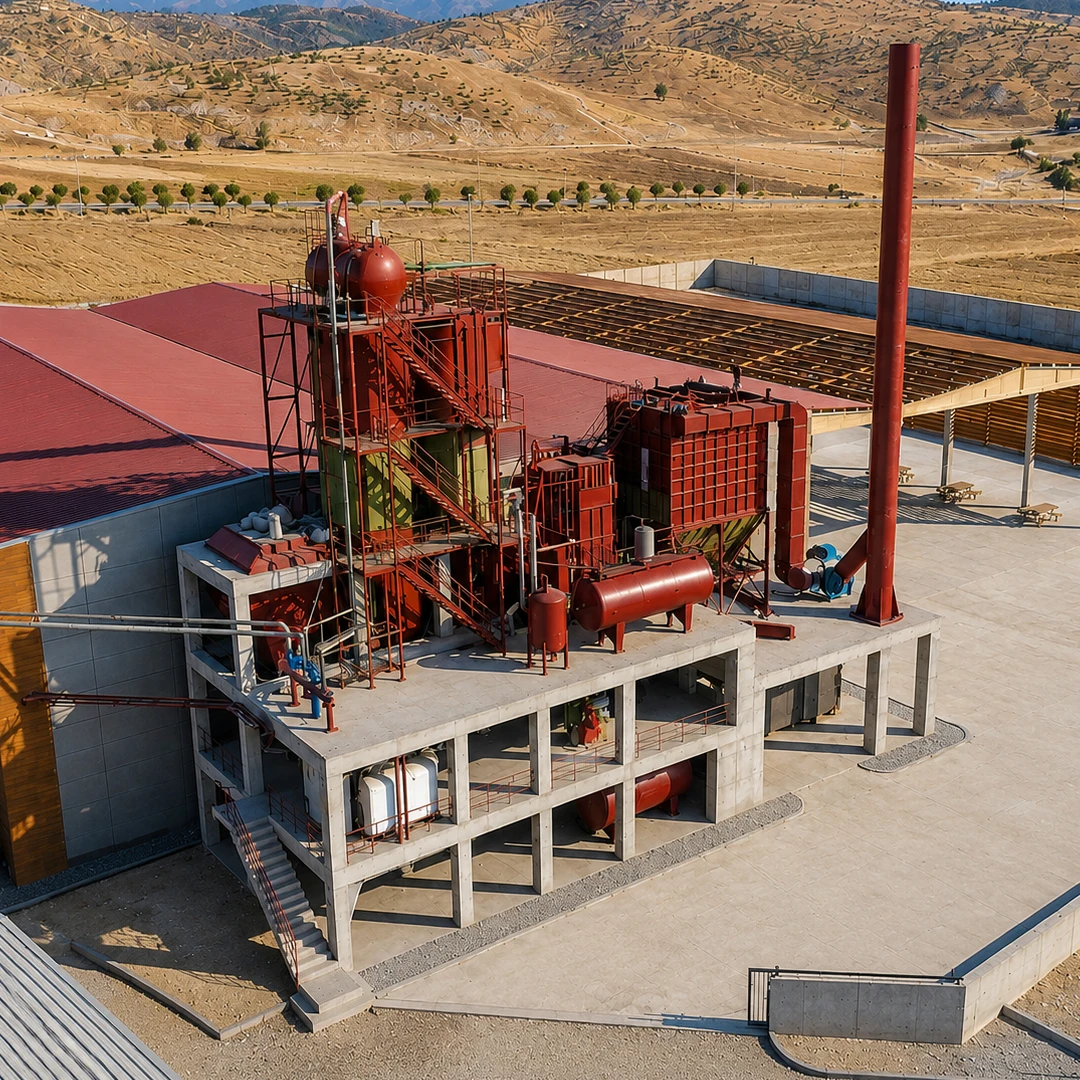
Biomass and industrial waste are efficiently converted into steam using moving grate systems. Our boilers are widely used in Europe, offering high efficiency and long service life.
The table below has been compiled to compare different types of steam boilers in terms of capacity, boiler design, fuel type and applications.
Steam Boiler Type Boiler Structure / Combustion System Fuel Type Capacity Range Technical Operating Data Key Technical Advantages Best Fit Applications
Scotch Type Steam Boiler Fully cylindrical fire-tube / smoke-tube steam boiler with large water volume Liquid fuels
Gas fuels
1 - 25 tons/hour 92% efficiency
95% with economizer
  • Fast response to sudden steam demand
  • Highly suitable for automation
  • High thermal efficiency
  • Classic and compact boiler design
  • Medium-capacity industrial steam demand
  • Textile, food and chemical processes
  • Facilities preferring liquid or gas-fired systems
Rotary Grate Steam Boiler Rotary grate solid fuel combustion system 5-14 mm lignite coal
Biomass
Industrial wastes
3 - 25 tons/hour 0 - 25 bar
  • PLC-based fully automatic operation
  • Continuous fuel feeding
  • Low-emission combustion
  • Flexible use of solid fuels
  • Facilities using coal or biomass
  • Plants requiring automated fuel feeding
  • Processes needing stable and continuous solid fuel combustion
Fluidized Bed Steam Boiler Fluidized bed, low-temperature combustion technology Coal
Industrial wastes
5 - 60 tons/hour 0 - 25 bar
90% combustion efficiency
  • Lower NOx emissions
  • High sulfur removal efficiency
  • Electrostatic and bag filter options
  • Efficient combustion of low-grade solid fuels
  • High-capacity industrial facilities
  • Projects with strict emission control targets
  • Waste-to-energy and energy recovery systems
Stoker & Automatic Fuel Loading Steam Boiler Front furnace stoker system with mechanical fuel loading 0-25 mm coal 0 - 10 tons/hour 0 - 15 bar
Low investment cost
  • Smaller installation footprint
  • Fast steam generation
  • Mechanical coal feeding system
  • Cost-effective solid fuel operation
  • Low to medium steam demand
  • Facilities seeking economical coal-fired operation
  • Food, textile and general production processes
D Type Steam Boiler Water-tube D type industrial steam boiler Natural gas
LNG
Fuel oil
5 - 100 tons/hour 90% - 92% efficiency
Max. 350°C
  • Suitable for high pressure and high capacity
  • Manufactured according to EN 12952
  • Low water volume with high heating surface
  • Fast response to rapid steam demand
  • Large-scale industrial plants
  • Continuous processes with high steam consumption
  • High-capacity gas- or liquid-fueled systems
Moving Grate Steam Boiler Front furnace boiler with moving grate combustion system 0-60 mm coal 0 - 15 tons/hour 0 - 15 bar
Low investment cost
  • Proportional operation according to heat demand
  • Low flue gas emission target
  • Multi-cyclone dust retention support
  • Efficient combustion in solid fuel applications
  • Economical solid fuel boiler systems
  • Facilities prioritizing lower initial investment
  • Medium-scale coal-fired industrial plants
Biomass Fueled Steam Boiler Moving grate system for biomass and waste combustion Biomass
Forest and agricultural waste
Industrial waste
Sewage sludge
Animal manure
RDF
10 - 100 tons/hour 0 - 25 bar
120 - 500°C
  • Converts waste into useful energy
  • High efficiency and long service life
  • Wide alternative fuel flexibility
  • Supports sustainable energy use
  • Biomass-based energy facilities
  • Waste evaluation and recovery projects
  • Plants generating agricultural, forestry or industrial waste
4.9
(4285)

Buhar Kazanı Nedir?

Buhar kazanı, suyu kontrollü şekilde ısıtarak buhar üreten ve bu buharı proses ısıtma, sterilizasyon, kurutma, enerji aktarımı ve çeşitli endüstriyel uygulamalarda kullanan basınçlı sistemdir. Doğru seçilmiş bir buhar kazanı, yalnızca buhar üretimini değil; yakıt tüketimini, bakım maliyetlerini ve üretim sürekliliğini de etkiler.

İşletmenize Uygun Buhar Kazanı Nasıl Belirlenir?

Doğru sistem seçimi yalnızca ürün tipine bakılarak yapılmaz. Karar sürecinde şu başlıklar birlikte değerlendirilmelidir: saatlik buhar ihtiyacı, çalışma basıncı, günlük yük değişimi, kullanılacak yakıt türü, saha yerleşimi, su kalitesi, bakım yapısı ve gelecekteki kapasite artışı.

Buhar Kapasitelerine Göre Kazan Seçini

  • 1 – 5 ton/saat: Kompakt yapıda, daha düşük ve kontrollü buhar ihtiyacına sahip tesislerde uygun çözümler değerlendirilebilir.
  • 5 – 15 ton/saat: Tekstil, gıda ve benzeri düzenli proseslerde orta kapasite segmenti öne çıkar.
  • 15 – 40 ton/saat: Sürekli üretim yapan işletmelerde daha güçlü ve dayanıklı sistemler tercih edilir.
  • 40 ton/saat ve üzeri: Yüksek buhar ihtiyacı olan büyük sanayi tesislerinde yüksek kapasiteli ve projeye özel çözümler gerekir.

Kapasite seçiminde ileride doğabilecek kapasite artışları da hesaba katılmalıdır. Ayrıca buharın kalitesi, basınç seviyesi, günlük çalışma süresi ve ani yük değişimleri de sistem seçiminde belirleyici rol oynar. Kapasite seçimiyle ilgili detaylı teknik değerlendirme için buhar kazanı kapasite hesabı rehberine, satın alma aşamasındaki kriterler için ise buhar kazanı seçerken nelere dikkat edilmeli içeriğine geçebilirsiniz.

Yakıta Göre Buhar Kazanı Seçini

Yakıt seçimi, bir buhar kazanı yatırımının en önemli kararlarından biridir. Çünkü yakıt tipi hem işletme maliyetini hem çevresel etkiyi hem de bakım ihtiyacını doğrudan etkiler. Bu nedenle sadece ilk yatırım bedeline odaklanmak yerine, uzun dönemli toplam maliyet yaklaşımıyla seçim yapılmalıdır.

  • Doğalgaz / LNG / Fuel Oil: Daha temiz yanma, daha kolay otomasyon ve kompakt kurulum isteyen işletmeler için uygundur.
  • Kömür: Katı yakıt kullanımı için uygun altyapısı bulunan tesislerde maliyet avantajı sağlayabilir.
  • Biyokütle / Endüstriyel Atık: Alternatif yakıt çözümlerine yönelen ve enerji verimliliğini farklı kaynaklarla desteklemek isteyen işletmelerde öne çıkabilir.
  • Elektrik: Bacasız, hızlı devreye alınan ve daha temiz işletme isteyen düşük veya orta kapasiteli uygulamalarda tercih edilebilir.

Neden HİSARMAK?

HİSARMAK, farklı sektörlerin ihtiyaçlarına göre buhar kazanı projelendiren ve üreten bir imalatçıdır. Amaç yalnızca bir ürün sunmak değil; kapasite, yakıt, basınç ve saha şartlarına uygun sistemi belirlemek, üretmek ve güvenli şekilde devreye almaktır.

  • Projeye uygun kapasite ve sistem seçimi
  • Farklı yakıt türlerine uygun kazan çözümleri
  • Üretim, montaj ve devreye alma desteği
  • Yardımcı ekipmanlarla bütüncül sistem yaklaşımı
  • Satış sonrası bakım ve teknik servis desteği
  • 25 ülkeye ihracat, onlarca sektörde referanslar

Standartlar, Sertifikalar ve Kalite Kontrol

Buhar kazanları basınçlı sistemler olduğu için üretim standardı, kalite belgeleri ve kontrol süreçleri yatırım kararında önemli yer tutar. HİSARMAK olarak sertifikalarımız;

Buhar Kazanı Çalışma Prensibi

Buhar kazanı çalışma prensibi basittir. Bu sistemde kazan içerisine sıvı pompalanır ve yakıt ise yanma odası olarak adlandırılan bölümde yakılır. Yakıtın yanmasıyla birlikte ortaya çıkan ısı içerideki sıvının kaynamasını sağlar. Belirli bir sıcaklık seviyesinin üstüne çıkan su kaynar ve buhar oluşumu gerçekleşir. Yanma sonucu oluşan zararlı gazları sistem filtreler ve dışarı atar.

Endüstriyel uygulamalarda bu çalışma prensibi; sıcaklık sensörleri, basınç ekipmanları, emniyet ventilleri, seviye kontrol cihazları, otomasyon sistemleri ve yardımcı ekipmanlarla desteklenir. Böylece kazan, yalnızca buhar üretmekle kalmaz; aynı zamanda güvenli, kontrollü ve sürekli bir çalışma düzeni sağlar. Özellikle yoğun üretim yapan işletmelerde düzenli buhar akışının sağlanması, proses verimliliği açısından büyük önem taşır. Buhar kazanı sistemlerinde su kalitesi, brülör ayarı, yanma verimi, baca yapısı, izolasyon ve bakım planı da çalışma performansını doğrudan etkiler.

buhar kazanı
buhar kazanı

Kurulum, Devreye Alma, Servis

HİSARMAK olarak yalnızca buhar kazanı üretmiyor; kurulum, devreye alma ve satış sonrası teknik destek süreçlerinde de işletmelere çözüm sunuyoruz. Sistemin sahada doğru kurulması, yardımcı ekipmanlarla uyumlu çalışması ve güvenli şekilde devreye alınması, uzun vadeli performans açısından büyük önem taşır.

Bu nedenle proje sürecinde ürün seçiminin yanında saha uygulaması, ilk ayarlar, bakım planı ve teknik servis desteğini de bütüncül şekilde ele alıyoruz.

Özel İhtiyaçlara Uygun Çözümler

Kazan üreticileri, sektöre özgü ihtiyaçları değerlendirerek işletmelere özel sistemler geliştirir. Farklı kapasite ve teknik ihtiyaçlara göre özelleştirilebilen buhar kazanları, tesislerin üretim hedeflerine kolayca uyum sağlar.

Buhar kazanı üretiminde malzeme seçimi, kaynak kalitesi, tasarım doğruluğu, test süreçleri ve mühendislik yaklaşımı belirleyici rol oynar. Dayanıklı, güvenli ve verimli bir sistem elde etmek için üretim kalitesinin her aşamada kontrol altında tutulması gerekir.

Buhar kazanı; üretim hatlarında proses ısıtma, sterilizasyon, kurutma, enerji üretimi, sıcaklık kontrolü ve çeşitli endüstriyel uygulamalarda gerekli olan buharı üretmek için kullanılır.

Kazanların düzenli bakımı, enerji verimliliği, güvenli işletme ve uzun ömür için kritiktir. Su kalitesi, yakıt özellikleri, otomasyon sistemleri ve atık ısı geri kazanımı gibi faktörlerin kontrolü arızaları önler ve işletme maliyetlerini düşürür.

Endüstriyel buhar kazanlarında basınç tahliye ventili, seviye kontrol cihazı, sıcaklık ve basınç sensörleri, acil durdurma butonları gibi çeşitli emniyet sistemleri bulunur. Bu sistemler, kazanın güvenli ve verimli şekilde çalışmasını sağlar.

Bu tercih; kapasite ihtiyacı, enerji maliyeti, baca gereksinimi, kurulum alanı ve işletme koşullarına göre değişir. Düşük ve orta kapasitede elektrikli çözümler avantajlı olabilirken, daha yüksek kapasitelerde farklı yakıtlı sistemler öne çıkabilir.

Kapasite, çalışma basıncı, yakıt türü, otomasyon seviyesi ve yardımcı ekipman kapsamı fiyatı doğrudan etkiler.

Steam Boiler
Steam Boiler

Steam Boiler Working Principle

The working principle of a steam boiler is simple. In this system, liquid is pumped into the boiler, and fuel is burned in the combustion chamber. The heat generated by the burning fuel boils the liquid inside. Once the water exceeds a certain temperature, it boils and turns into steam. Harmful gases produced by combustion are filtered and discharged.

Types of Steam Boilers

Various steam boiler designs have been developed to meet different industrial processes and needs. Each design has its own advantages and limitations. Below are the six most commonly used types of industrial steam boilers and their characteristics:

  • Scotch Type Steam Boiler

The Scotch type steam boiler, also known as an internally fired boiler, is commonly used in ships and industrial facilities with medium steam demands. Typically cylindrical in shape, these boilers contain water around the central combustion chamber and transfer heat through smoke tubes. They are known for their compact design, ease of operation, and maintenance. However, they are not suitable for very high-pressure or high-capacity applications without additional design modifications.

  • Rotary Grate Steam Boiler

These boilers are designed for the efficient combustion of solid fuels like coal, biomass, or waste. A rotary grate system at the bottom feeds the fuel, and ash is automatically removed, enabling continuous combustion. They support various fuel qualities but have moving parts, increasing maintenance and initial investment costs.

  • Fluidized Bed Steam Boiler

Burns solid fuel in a bed fluidized by high-speed air. Known for being environmentally friendly, the reduced combustion temperature lowers NOx emissions. Adding limestone also reduces sulfur. While allowing various fuels and offering high efficiency and low emissions, their complex design requires skilled operation and a higher initial cost.

  • Stoker Type Steam Boiler

The stoker boiler feeds solid fuel into the combustion chamber via a mechanical or semi-automatic stoker system. This ensures a steady, controlled combustion process and improved operational efficiency. It supports various solid fuels and allows automation. However, its combustion efficiency is slightly lower than rotary grate or fluidized bed types, and regular maintenance is necessary due to mechanical components.

  • D Type Steam Boiler

Named after its D-shaped exterior, it belongs to the water tube boiler category. Commonly used for high-pressure, high-capacity applications. The D-shaped furnace is surrounded by tube bundles that circulate water and steam, allowing rapid heating and high-pressure steam production. Efficient and responsive, but complex and costly, requiring skilled personnel for operation.

  • Moving Grate Steam Boiler

Operates by pushing fuel into the combustion chamber via hydraulic or mechanical pistons. The process optimizes airflow and fuel feed speed for efficient combustion. It supports various solid fuel types but requires higher maintenance due to moving parts. However, it is favored for its combustion efficiency and ease of ash removal.

Capacity

Steam boiler hourly capacities range from 1,000 kg to 100 tons. Detailed information is in the table below:

Boiler TypeCapacity Tons/Hour
Scotch1 – 40
Stoker1 – 10
D Type4 – 40
Fluidized Bed6 – 100
Rotary Grate4 – 40

In Which Sectors Are They Used?

Steam boilers provide efficient heating and operate with various fuel types. Water is easily heated to the desired temperature, and the eco-friendly steam produced is distributed via pipes. Visit our What is a Steam Boiler? page to learn more. Key sectors using steam:

  • Textile Industry: Used in yarn and fabric production, dyeing, finishing, drying, and ironing. Steam ensures fast and even heat distribution, enhancing product quality.
  • Food and Beverage Industry: Used in sterilization, pasteurization, boiling, cooking, drying, and packaging. Essential in dairy, canned goods, beverages, and confectionery.
  • Chemical and Petrochemical Industry: Used for heating, distillation, rectification, and condensation. Boilers ensure safe, controlled reactions at different pressures and temperatures.
  • Energy and Power Generation: In thermal power plants and cogeneration facilities, steam runs turbines to produce electricity and supply hot water or heating.
  • Pharmaceutical and Biotechnology: Requires high-quality steam for sterilization, distillation, and laboratory processes. Purity and controllability are crucial.
  • Pulp and Paper Industry: Steam is used to prepare pulp, dry, and shape paper, ensuring continuous production with uniform heating.
  • Automotive and Metal Processing: Steam is vital in parts washing, paint booths, pressing, and metal surface treatments, offering consistent heat and aiding cleaning.
  • HVAC Applications: Steam systems heat large buildings and industrial complexes. Widely used in old-style central heating projects with multiple building networks.
  • Hospitality, Healthcare, and Institutional Buildings: Used for laundry equipment, hot water, and climate control. Ideal for facilities requiring rapid access to large amounts of hot water.

Each sector has different requirements for steam volume, pressure, temperature, and quality. Selecting the right boiler type is critical for improving efficiency and reducing energy costs. Among boiler manufacturers, Hisarmak offers customized industrial boiler systems tailored to sector-specific needs, ensuring reliable and efficient steam supply.

Steam Boiler Manufacturing

In modern industry, energy efficiency and reliability are prioritized. Industrial steam boilers meet the demands of many sectors, from power generation to food processing.

Maintenance and Efficient Operation

  • Water Quality and Chemical Treatment: Water softening, chemical dosing, and regular analysis are essential to prevent scaling and corrosion.
  • Fuel Quality: In solid fuel boilers, moisture, ash content, and granule size directly affect combustion efficiency.
  • Periodic Maintenance and Inspection: Cleaning tubes, inspecting the combustion chamber, checking fans and feedwater pumps, and testing safety valves and pressure reducers reduce malfunction risks.
  • Automation and Control Systems: Modern PLC or DCS-based systems monitor pressure, temperature, and fuel feed in real time for efficient and safe operation.
  • Waste Heat Recovery: Economizers and condensate return systems reuse heat from flue gases or processes, lowering fuel consumption and operating costs.

Customized Solutions for Specific Needs

Manufacturers offer tailor-made steam boilers to meet the specific needs of each industry. With various capacities and features, these boilers are designed to fit the unique requirements of industrial facilities.

4.9 / 5. 4285

error:

For the product's price and details, please complete the form below.

Ürünün fiyatı ve detayları için lütfen aşağıdaki formu doldurunuz.