
Fluidized Bed Steam Boiler
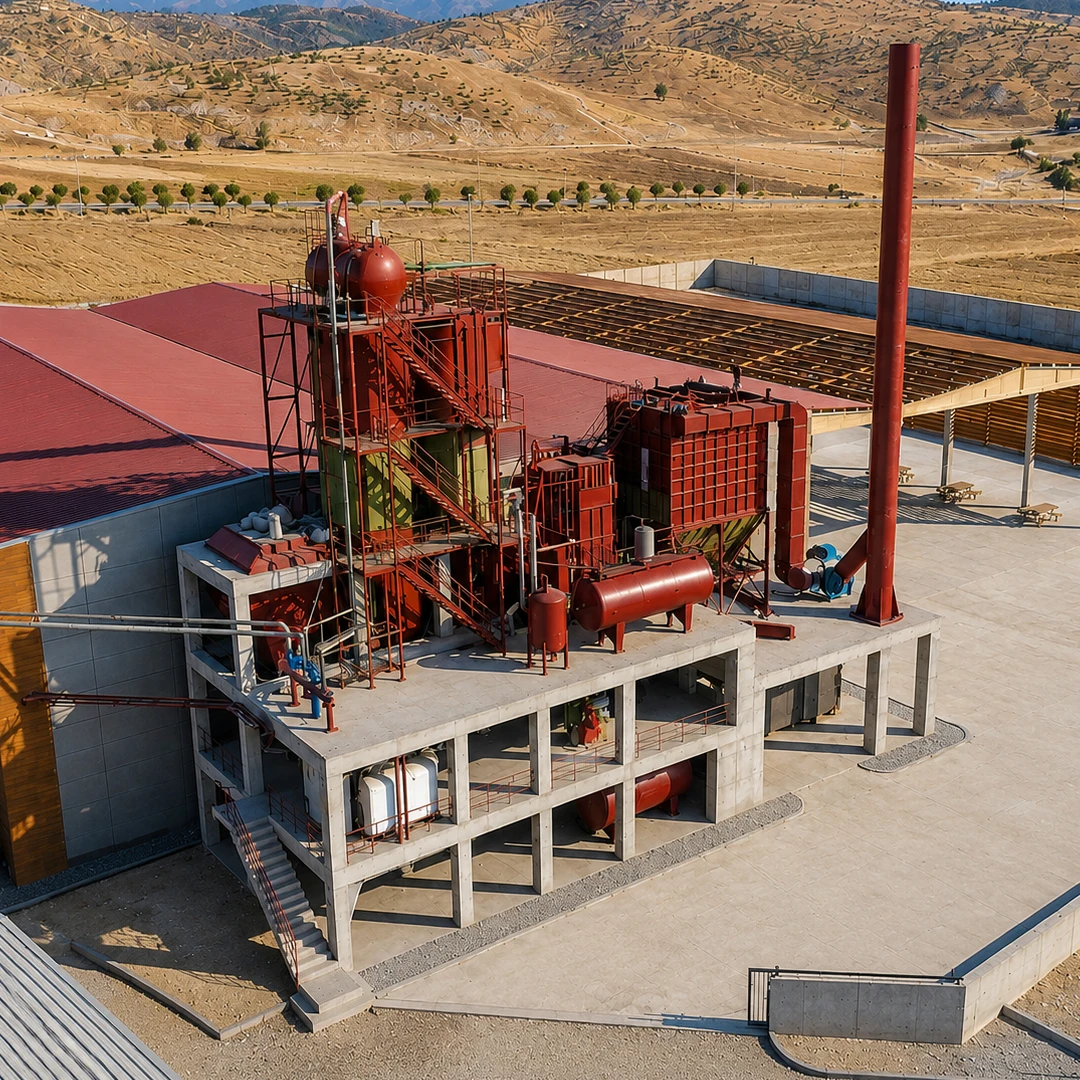
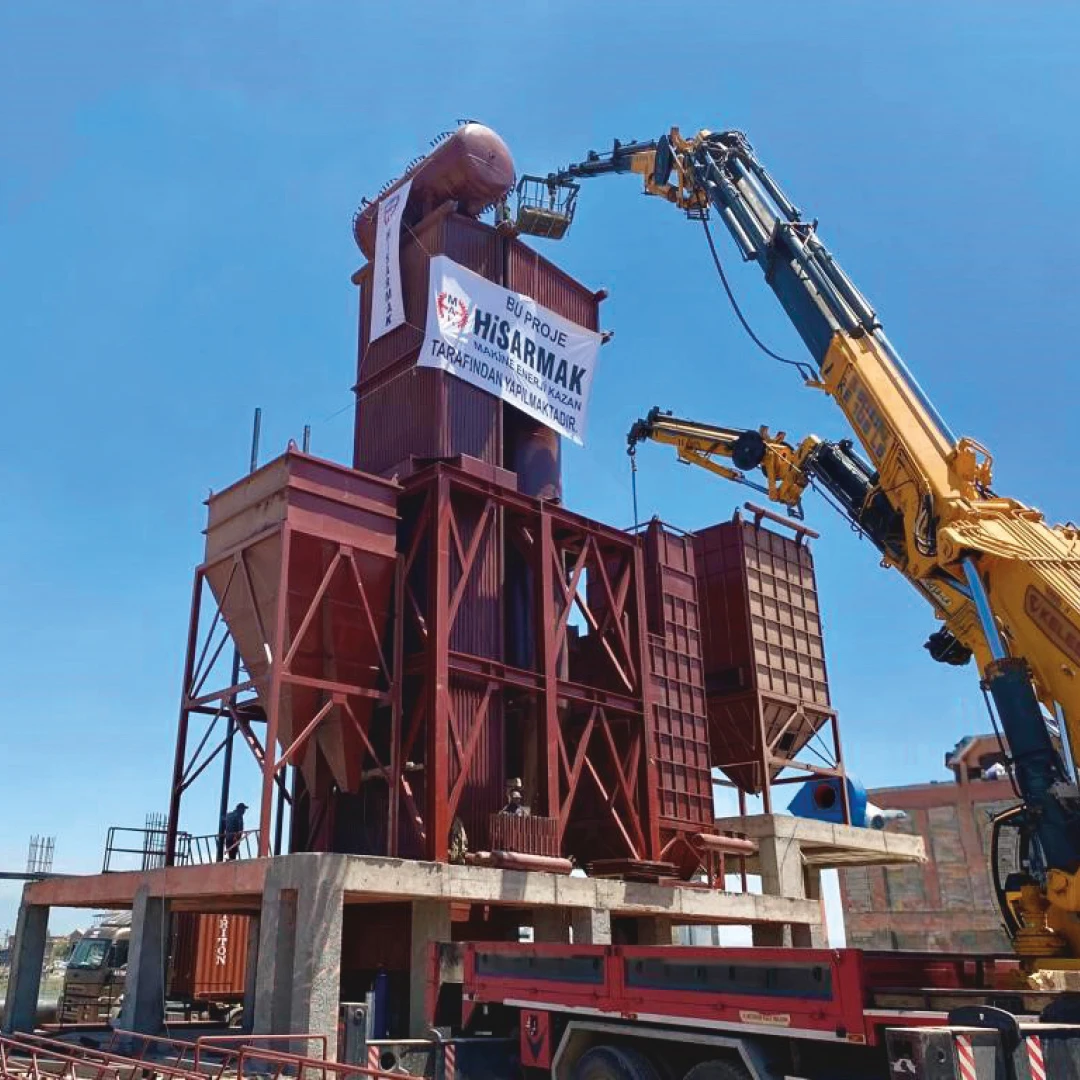
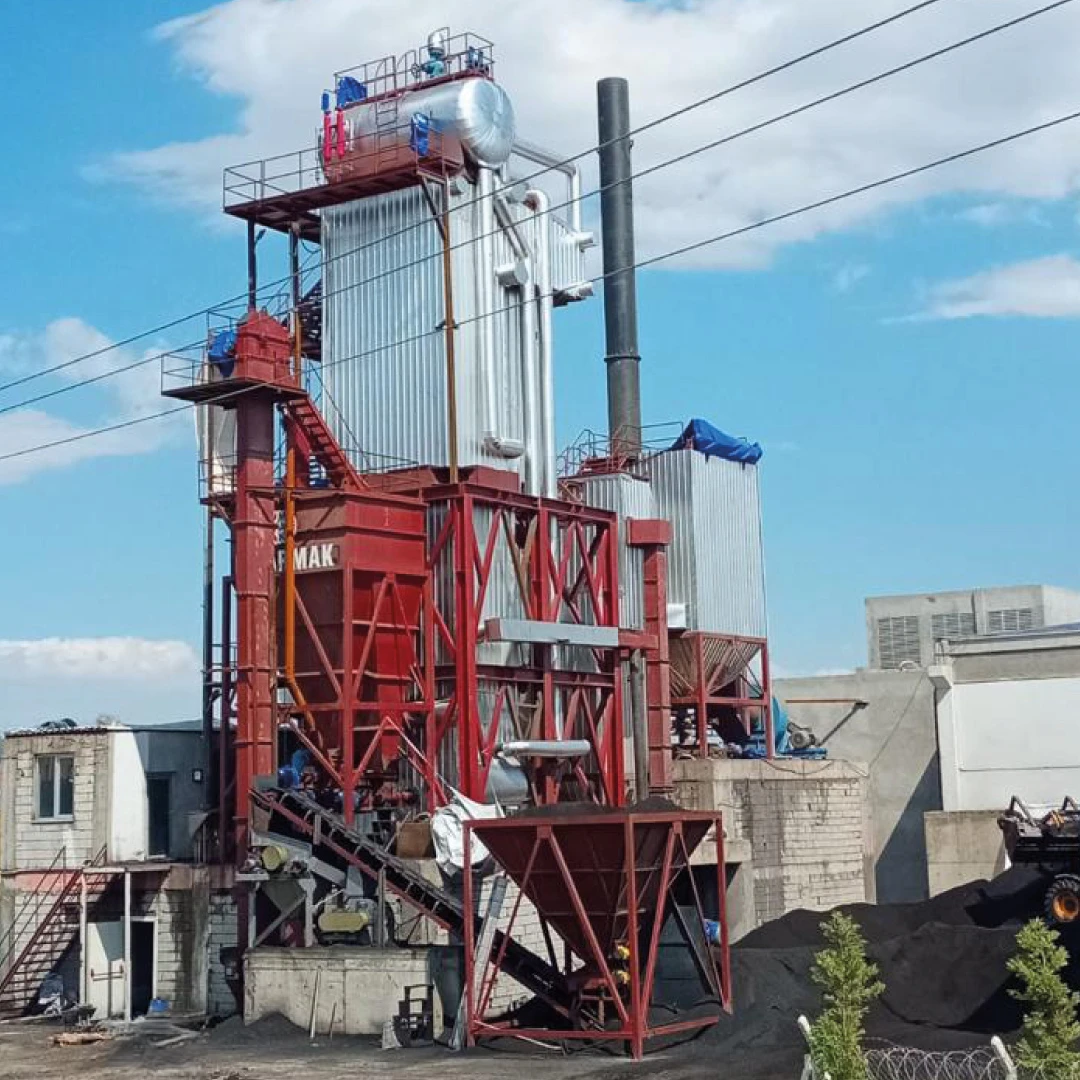
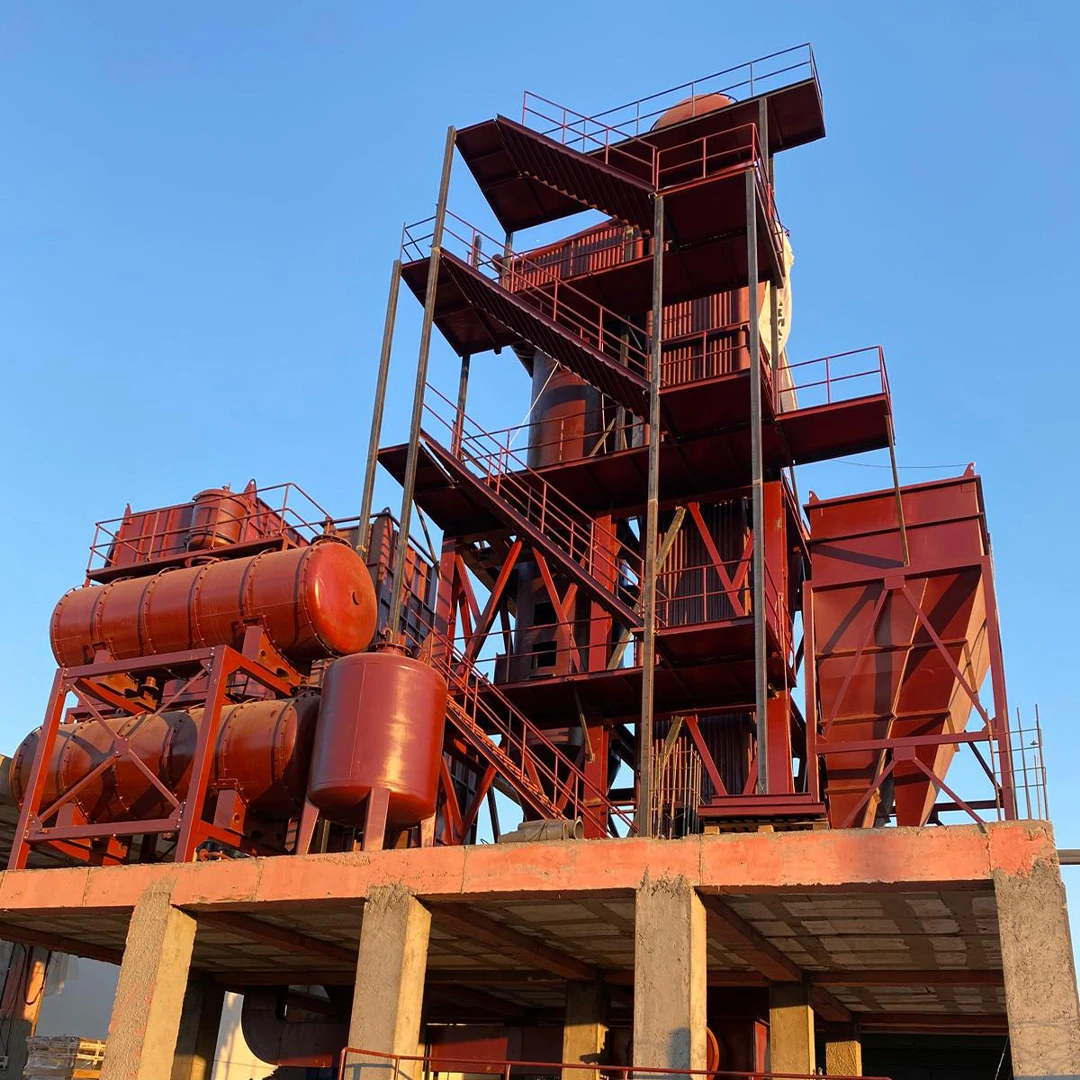


A Fluidized Bed Boiler is a combustion technology used for burning solid fuels. As a high-efficiency, low-pollution, and clean coal technology, Fluidized Bed Steam Boiler technology offers many advantages not found in other combustion methods. Circulating fluidized bed boilers operate with low-temperature combustion; therefore, NO2 emissions are much lower than in pulverized coal furnaces. The boiler can also perform direct desulfurization during combustion, with high sulfur removal efficiency. The system reduces the amount of SO2 released during combustion.


Technical Specifications:
| Capacity Range | 5-60 Tons/Hour Steam |
| Pressure | 0-25 Bar |
| Fuel | Coal and Industrial Wastes |
| Advantage | 90% Combustion Efficiency |
| Filtration | Electrostatic and Bag Filter Options |
Working Principle of Fluidized Bed Boilers
The working principle of a Fluidized Bed Steam Boiler is basically an advanced combustion method used to burn solid fuel particles in suspension within a chamber. To provide the oxygen required for combustion, air jets are blown through the bed, allowing other particulate materials such as sand and limestone to pass through the bubbling fluidized bed. This supports rapid and complete mixing of gas and solids, fast heat transfer in the bed, and chemical reactions. Fluidized bed boiler plants can burn various low-grade solid fuels such as coal, wood, and biomass with high efficiency, without requiring expensive fuel preparation such as coal pulverization. In addition, new-generation versions of these boilers are smaller than equivalent conventional furnaces, thus offering significant advantages in terms of cost and flexibility. They reduce the amount of sulfur released as SO2 emissions. Limestone added during combustion enables sulfate precipitation. As a result, more efficient heat transfer occurs to the water tubes that capture thermal energy. The released heat comes into direct contact with the tubes and transfers heat by conduction. This process significantly improves overall efficiency.
What Are the Advantages?
Limestone precipitates sulfate during combustion, thus providing more efficient heat transfer to the water tubes that capture thermal energy. The heated precipitate comes into direct contact with the tubes, transferring heat by conduction and increasing overall efficiency. This system contributes to reduced NO2 emissions by enabling combustion at lower temperatures in coal power plants. However, low-temperature combustion can also lead to increased hydrocarbon emissions. Commercial Fluidized Bed Boiler units operate with high efficiency, have lower costs than today’s conventional boiler units, and provide low SO2 and NO2 emissions. This makes them one of the frequently preferred Steam Boilers.
What Are the Disadvantages?
However, there are disadvantages such as wear of tubes inside the boiler, uneven temperature distribution caused by blockages at the bed air inlets, and long startup times that can reach up to 48 hours in some cases.
- A Fluidized Bed Boiler system has a lower combustion temperature of 750 °C, while an ordinary boiler operates at 850 °C.
- The sintering process is low in a Steam Boiler with a fluidized bed (ash melting).
- Lower NO2 production due to lower temperature.
- Lower SO2 production because it is captured by limestone.
- Higher combustion efficiency thanks to 10 times greater heat transfer than other combustion processes due to burning particles.
- Less space is required for a Fluidized Bed Steam Boiler because of the high convective heat transfer coefficient.
- Isothermal bed combustion may occur since temperature remains constant in the freeboard and active bed.
Types of Fluidized Bed Steam Boilers
Experts classify Fluidized Bed Steam Boilers into two main groups: atmospheric systems and pressurized systems. Pressurized systems are further divided into two smaller subgroups: bubbling and circulating fluidized bed boilers.
Atmospheric Fluidized Bed Boiler
Atmospheric Fluidized Bed Steam Boilers use limestone or dolomite to bind sulfur produced by coal combustion. Air jets suspend coal and sorbent during combustion, making the mixture fluid-like. This mixture forms a fluid suspension of red-hot particles. This system makes the combustion process both efficient and controllable. All processes occur under atmospheric pressure.
Pressurized Fluidized Bed Boiler
Pressurized fluidized bed boilers suspend coal and sorbent with air jets by mixing them together. The system operates under high pressure, producing a hot and dense gas stream. This gas directly drives the gas turbine. The fluidized bed generates a high amount of heat during combustion. The generated heat initiates steam production in the steam line. The steam is directed to the turbine and used for electricity generation. This system provides high efficiency in combined-cycle structures.
Advanced Pressurized Fluidized Bed Boiler
New-generation advanced pressurized fluidized bed boilers increase ignition temperature with natural gas. The system uses natural gas, which is more expensive than coal, as a supporting fuel. In second-generation systems, coal passes through a pressurized carbonizer for gasification. The boiler burns coal directly to produce steam and heat combustion air. Fuel gas from the carbonizer burns in the topping combustor, bringing the gas to a turbine-suitable temperature. The turbine exhaust gas is reused in steam generation for energy recovery.
This technology increases efficiency in combined-cycle systems. Engineers define this structure as an advanced circulating system. These systems operate only with coal. The gasification process includes a pressurized reactor that feeds syngas to the turbine. Turbine exhaust provides combustion air for coal burned in the fluidized bed.
