
Biomass Fueled Steam Boiler

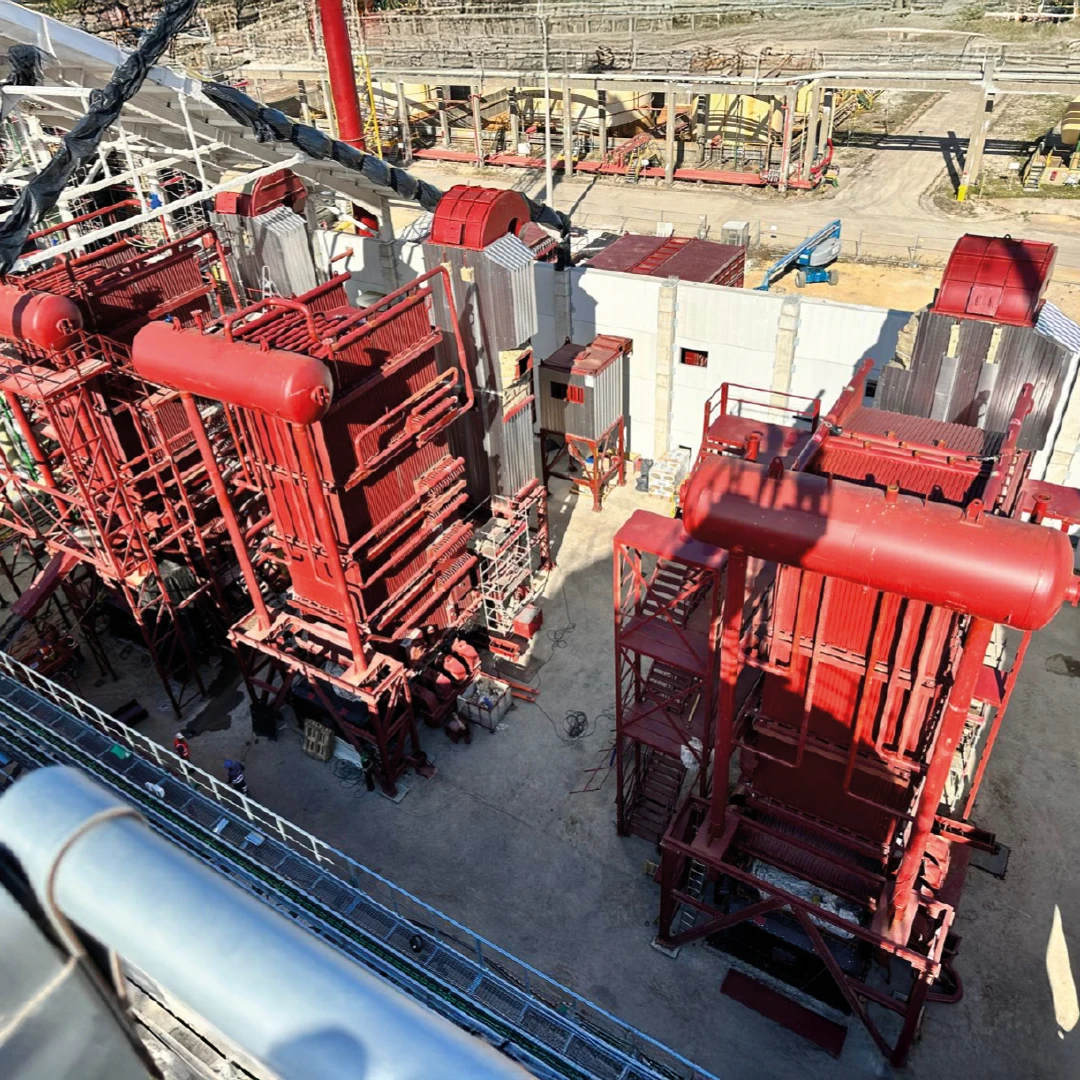
Biomass Fueled Boiler
Biomass and industrial waste are efficiently converted into steam using moving grate systems. Our boilers are widely used in Europe, offering high efficiency and long service life.
Main energy sources include:
- Forest and agricultural waste
- Industrial residues
- Sludge, animal manure
- RDF and wood industry waste

Technical Specifications:
| Capacity Range | 10-100 Tons/Hour Steam |
| Pressure | 0-25 Bar |
| Steam Temperature | 120-500 °C |
| Fuel | Biomass and various wastes |
Biomass-Fired Steam Boiler
A biomass-fired steam boiler converts forest residues, agricultural by-products, industrial waste and other renewable feedstocks into process steam. Its moving-grate combustion system controls the burning of fuels with different moisture levels and calorific values. Hisarmak designs these boilers for plants with high steam demand, long operating hours and a need to reduce fossil-fuel dependence.
These boilers are used in Europe and provide a durable option for plants seeking a biomass boiler, solid-fuel steam boiler or industrial-waste-fired boiler. Fuel selection, the grate and the combustion controls are assessed together to maintain stable steam production and operating efficiency.
Fuel Sources That Can Be Converted into Energy
Using suitable organic and industrial residues for steam production supports waste management while reducing reliance on conventional fuels.
- Forest and agricultural residues
- Industrial waste
- Treatment sludge and animal manure
- Refuse-derived fuel (RDF)
- Wood-industry residues
Advantages and Applications
The moving grate promotes controlled, balanced combustion and allows different biomass and waste fuels to be evaluated. Renewable fuel use can lower operating fuel costs where an appropriate local supply exists. The robust boiler design is intended for long service under industrial conditions.
Biomass steam boilers can serve food, textile, paper, woodworking, agricultural and energy plants, as well as other facilities requiring process heat. For businesses that can recover energy from their residues, they offer high-capacity steam production, fuel flexibility and an efficient route to more sustainable operation.
