
Condensate Tank
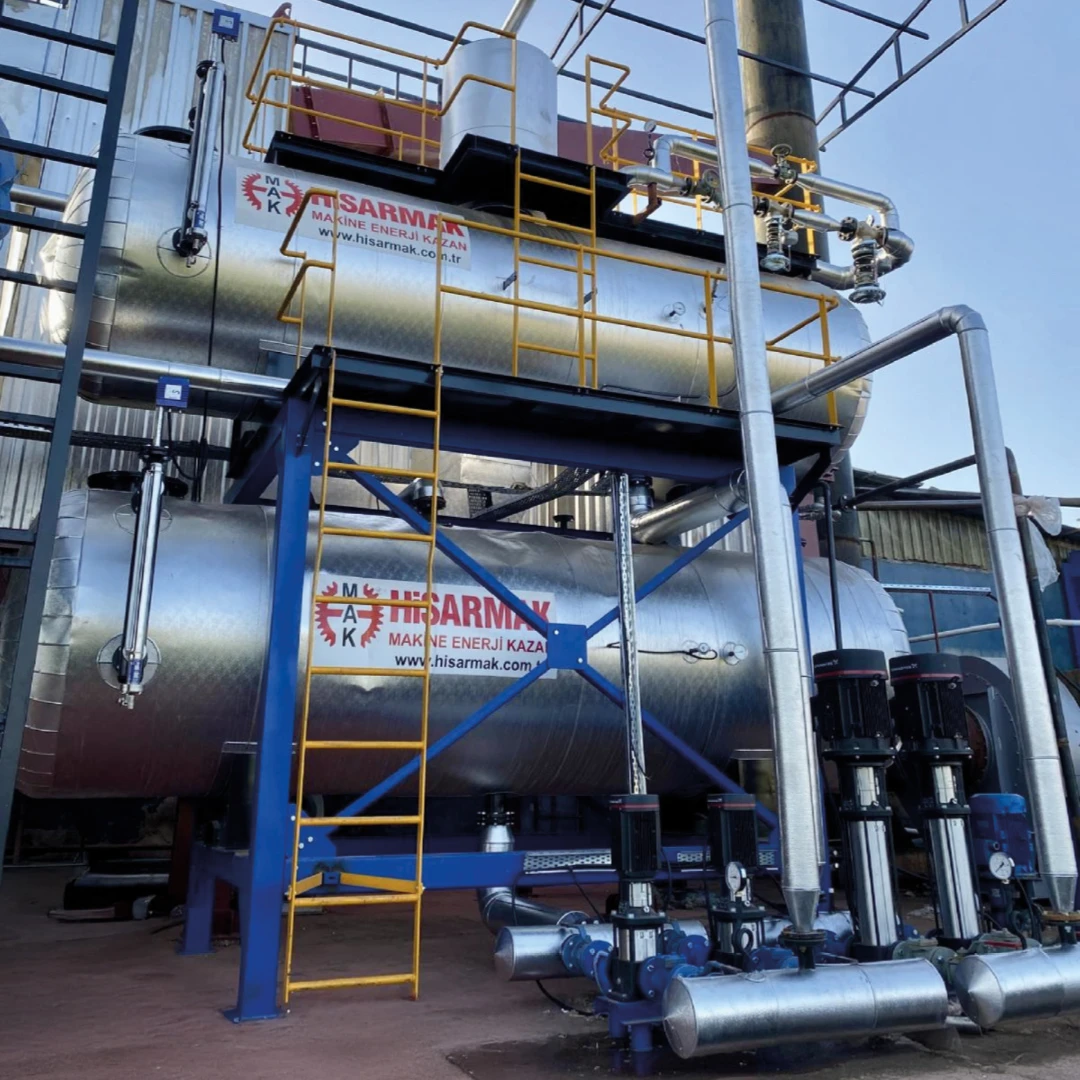
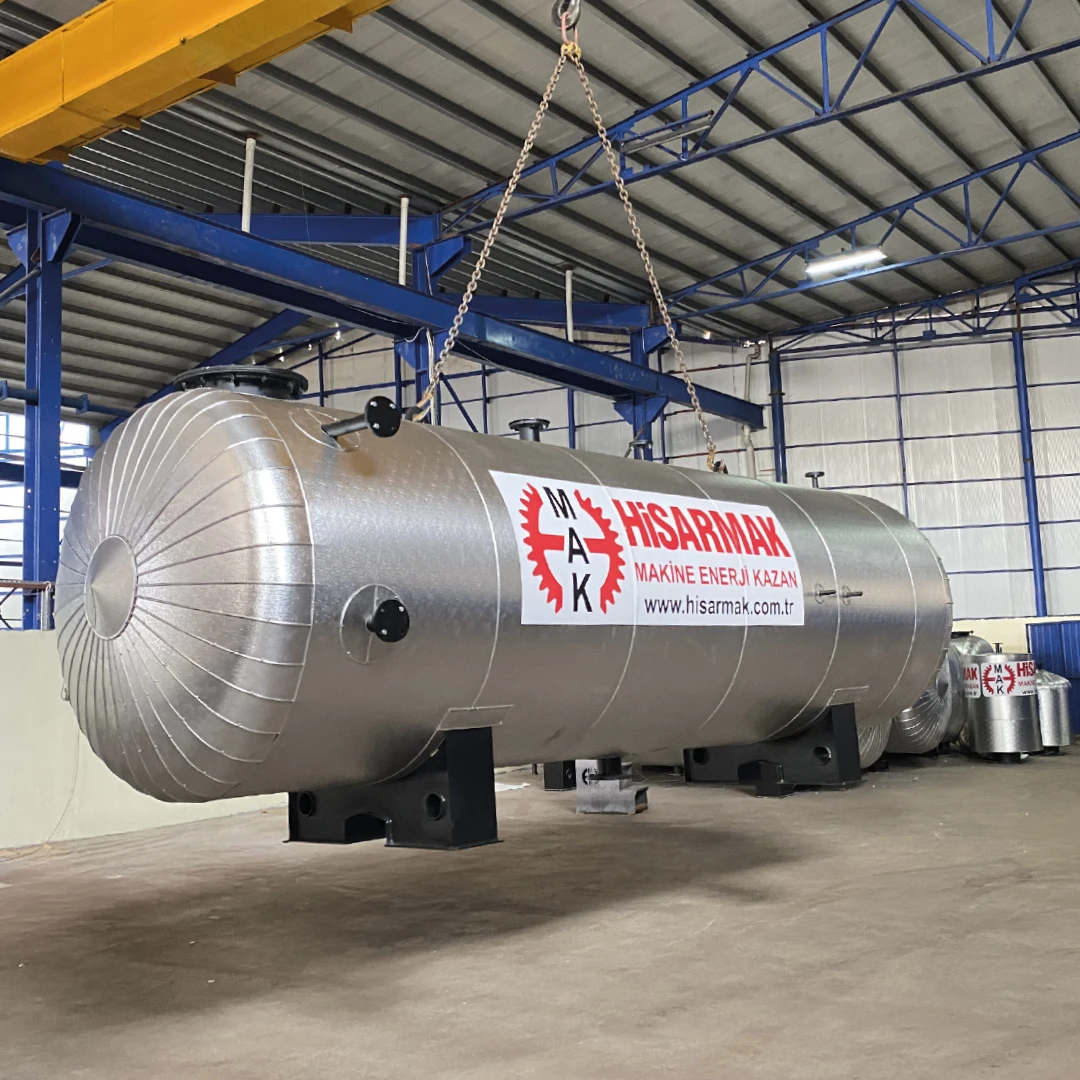
In facilities where steam is used as the heating fluid, the condensate tank is the vessel where steam, after transferring most of its heat to the system, returns in the form of condensate water.
After the condensate tank, the hot water is sent back to the boiler.
Since the system operates as a closed loop, there is no steam leakage to the external environment. Because the feedwater to be sent to the boiler is kept in the condensate tank without losing its heat, the amount of heat required to warm the water in the boiler is reduced. In this way, fuel savings are achieved.


Improving boiler system efficiency and minimizing energy losses are of great importance for industrial facilities. In steam-generating systems, condensate (condensed steam) water can be recovered and reused because it remains at high temperature. This is where the “condensate tank” comes into play. A condensate tank is a critical piece of equipment in the boiler room where condensed steam is collected, stored, and returned to the system.
What Is a Condensate Tank?
A condensate tank (also known as a condensation tank or condensate collection tank) is a specialized tank where high-temperature water returning from steam lines is collected and stored up to a certain level. Steam that loses heat in the line and turns back into water is still highly valuable in terms of energy. Because this water is already at a high temperature, it provides significant energy savings compared to direct cold-water make-up.
Its Main Functions Are:
- Collecting condensed steam: During steam use, steam passing through various equipment condenses into water. The condensate tank collects this water.
- Preserving water quality: The quality of circulating system water is crucial for equipment life and efficiency. The condensate tank helps maintain quality by keeping the water under control.
- Energy savings: Water stored in the condensate tank retains its high temperature. This reduces reheating demand and lowers boiler system fuel consumption.
- Removing air and gases: Air and unwanted gases mixed into the steam line can be collected in the condensate tank and discharged from the system.
How Does a Condensate Tank Work?
A condensate tank collects hot water (condensate) returning from steam-use points. Thanks to level control and pressurized lines, this water can be directed to the boiler feed line or to additional heat-recovery systems such as an economizer. This prepares system water for reuse.
- Inlet Line: Condensed water enters through the pipeline connected to the condensate tank. Inlet temperature and pressure must be compatible with the tank’s design specifications.
- Discharge System (Vent Line): An air vent connection is provided to release pressure build-up and unwanted gases formed inside the tank.
- Level Control: The water level inside the tank is monitored with a level control device or level sensors. When it rises above a set point, pumps or the automation system activate and transfer water to the boiler feedwater line.
- Pump System: Collected condensate is sent, when required, via pumps in the condensate tank to the boiler system or to another heat exchange unit.
- Insulation and Maintenance: Insulation is applied on the tank surface to minimize heat loss. Periodic inspections and maintenance are essential for efficient condensate tank operation.
The Importance of Condensate Tanks in Industrial Applications
- Energy Efficiency: Recovering high-temperature water through a condensate tank significantly reduces energy costs for businesses.
- Water Savings: Recycling condensate minimizes water consumption and supports sustainable production.
- Extended Equipment Life: Proper condensate management and suitable water quality help prevent scale, corrosion, and similar issues in boilers and other heat exchange equipment, extending service life.
- Production Continuity: Preventing steam-system problems (condensation issues, corrosion, air locks, etc.) supports uninterrupted production.
Key Points to Consider When Selecting a Condensate Tank
- Capacity: Condensate return volume should be calculated according to the facility’s steam consumption, and tank size should be selected accordingly.
- Pressure and Temperature Values: Tank material quality must match operating temperature and pressure values. Steel or stainless steel tanks are frequently preferred for storing high-temperature condensate.
- Level Control and Automation: Regular monitoring and control of system water level are extremely important for operational efficiency and safety.
- Insulation: Heat loss from the outer surface of the condensate tank should be minimized with proper insulation.
- Pump Selection: The characteristics and durability of the pump used to transport condensate safely to other system points are important.
Efficient and Durable Solutions with Hisarmak Industrial Boiler Systems
At Hisarmak Industrial Boiler Systems, we provide comprehensive services from manufacturing and installation to after-sales support for equipment used in steam and hot water systems. In condensate tank selection and installation, our expert team analyzes your facility’s needs and determines the most suitable capacity, pressure, and material specifications. This enables both energy savings and long-lasting solutions that add value to your operation.
- Expert Team: We design the most suitable system for your project with our professional engineers and technicians.
- High-Quality Materials: We offer long-lasting solutions with condensate tanks designed for high temperature and pressure resistance.
- After-Sales Support: We are always with you through regular maintenance, fault detection, and spare parts supply after installation.
Recovering condensate in steam systems is a critical step for increasing energy efficiency and productivity in industrial operations. The condensate tank stands out in this process by providing both energy and water savings. Correct capacity selection, regular maintenance, and high-quality materials maximize the contribution of condensate tanks to operational efficiency.
As Hisarmak Industrial Boiler Systems, we are at your service with our expert team for your condensate tank and other boiler equipment needs. You can contact us for more information or to discuss your projects. To reduce your energy costs and take a step toward sustainable production, the right address is Hisarmak Industrial Boiler Systems!
